
Benefits of Open Platform Communications

OPC, or Open Platform Communications, has been around in some form since 1996.  It is based on OLE(Object Linking and Embedding), now known as ActiveX, as well as COM (component object model) and DCOM (distributed component object model) technologies.

Component Object Model (COM) is part of The Microsoft .NET framework and provides the required software infrastructure for data sharing in Windows NT and similar operating systems.  

OPC is the standard used in industrial automation and other process-control applications and is primarily a way to address the needs of computer-integrated manufacturing.  
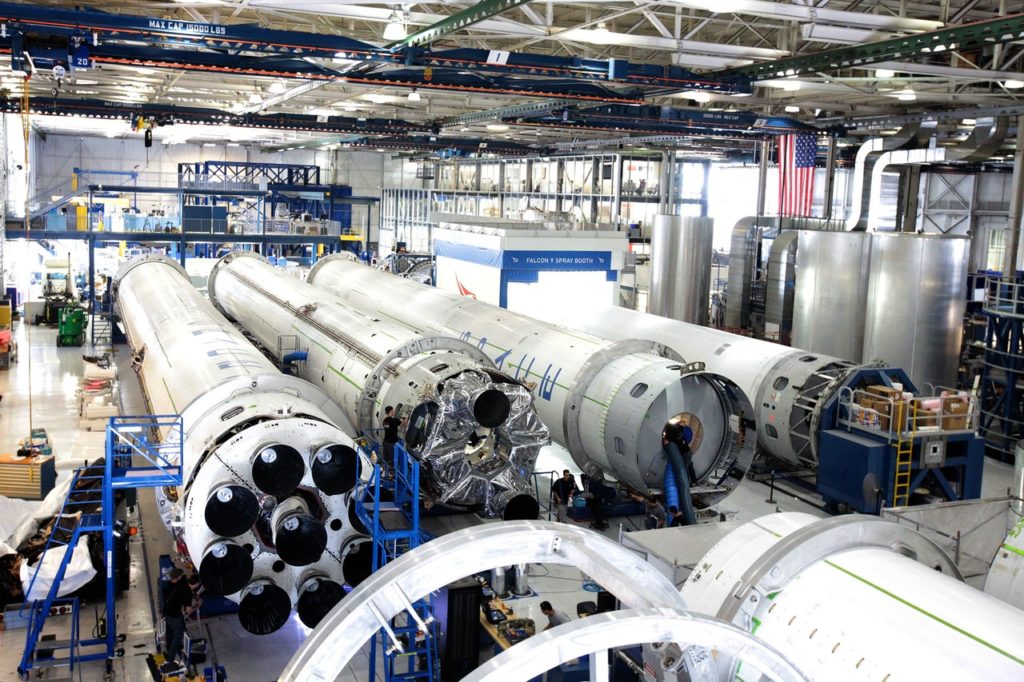
Overview of a manufacturing floor.  Open Platform Communications offers a common interface between many different industrial devices.
Open Platform Communications (OPC) provide a common interface between diverse industrial devices.

OPC is designed to provide a common communication interface for diverse industrial devices.  For example, ActiveX/COM technologies allow controlling software components to share data and to interact with one another. This brings disparate process control devices together in a near standardized format.  

Continue reading “Benefits of Open Platform Communications”

Impact of IoT Retrofit on the Manufacturing Supply Chain

man wearing orange hard hat
Photo by Kateryna Babaieva on Pexels.com

According to Hubspot’s Annual Manufacturing Report, 80% of manufacturers feel smart technologies and a move toward Industry 4.0 adoption will benefit their supply chain by increasing visibility, accelerating innovation, and enabling staff to work more efficiently.  Over 90% of those polled feel the same technologies will lead to increased productivity. 

This begs the question: if smart technologies are essential to efficient manufacturing, why aren’t all factories smart?  

It’s not that simple.  

Upgrades come with significant costs and productivity ramifications.  It doesn’t make sense to pull out legacy equipment in good working order simply because it wasn’t built in the age of connectivity.  Many systems continue in good working order for decades; that’s why we use the term “industrial-strength” to define something that safeguards against failure.   

Continue reading “Impact of IoT Retrofit on the Manufacturing Supply Chain”