Bring Legacy Equipment to the Industrial Internet of Things Age

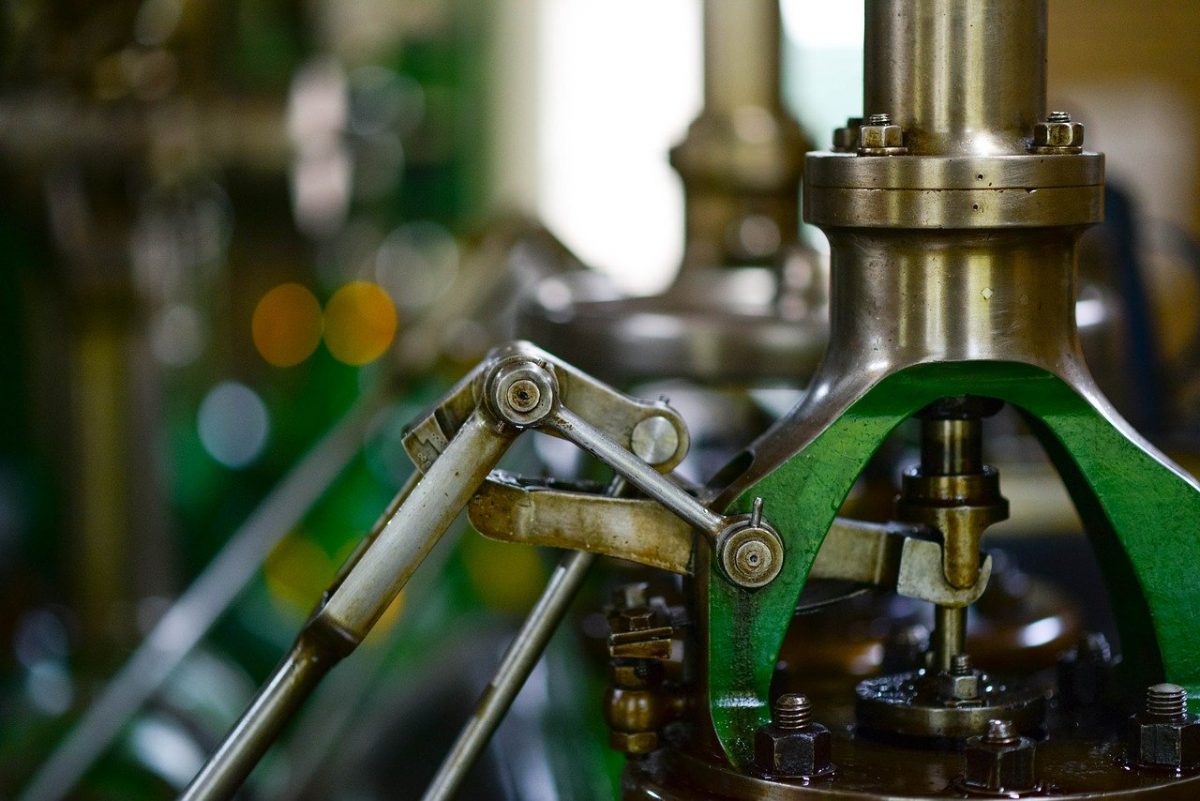
Tube Bender
This photo of industrial equipment by Michal Jarmoluk from Pixabay

There are reasons to bring legacy equipment into the Industrial Internet of Things (IIot) Age.

Most manufacturers work with older equipment. A 2017 McKinsey report notes factory machinery and tools have an average age of 11 years. Industrial equipment lasts by design; we even use the term “industrial strength” to attribute higher-than-usual durability and power to everything from bug spray to boots. And when something is still working–and working well–a full upgrade to something new can be a difficult sell.

But many of these older legacy systems were created before the age of connected manufacturing systems, which bring with them a number of added benefits. A connected “smart factory” can mean higher productivity, increased flexibility, a safer manufacturing floor, and lower costs.

One option that bridges the gap between a full upgrade and missing out on all these benefits is to perform a retrofit of connected IoT gateway and data feedback devices. But until recently, this kind of upgrade was a complicated and costly affair. But it doesn’t have to be anymore, and more options are available.

What is the Industrial Internet of Things?

IIoT or the Industrial Internet of Things is the industrial extension of IoT. Automation in a traditional factory improves through the use of interconnected smart sensors. Other instruments work with sensors to take advantage of data collection and analysis. This happens on a networked (Internet) platform.

Options for Connecting your Factory Floor

There are several options now available for connecting your legacy systems to the IoT. These include

  • Retrofitting IIoT Connectivity. IoT gateways use software, sensors, and industrial-based control systems to provide a simple connection that can send data in real-time.
  • Using Video Cameras. Video analytics allow cameras to recognize objects, people, or issues on your floor automatically.
  • Using Edge Devices. Data can be accessed via local devices. This can improve security and provide access to process data more quickly.
  • Using Biometric Devices. Your employees can become part of your data acquisition through the use of biometric wearables or tags. This works in conjunction with additional upgrades.
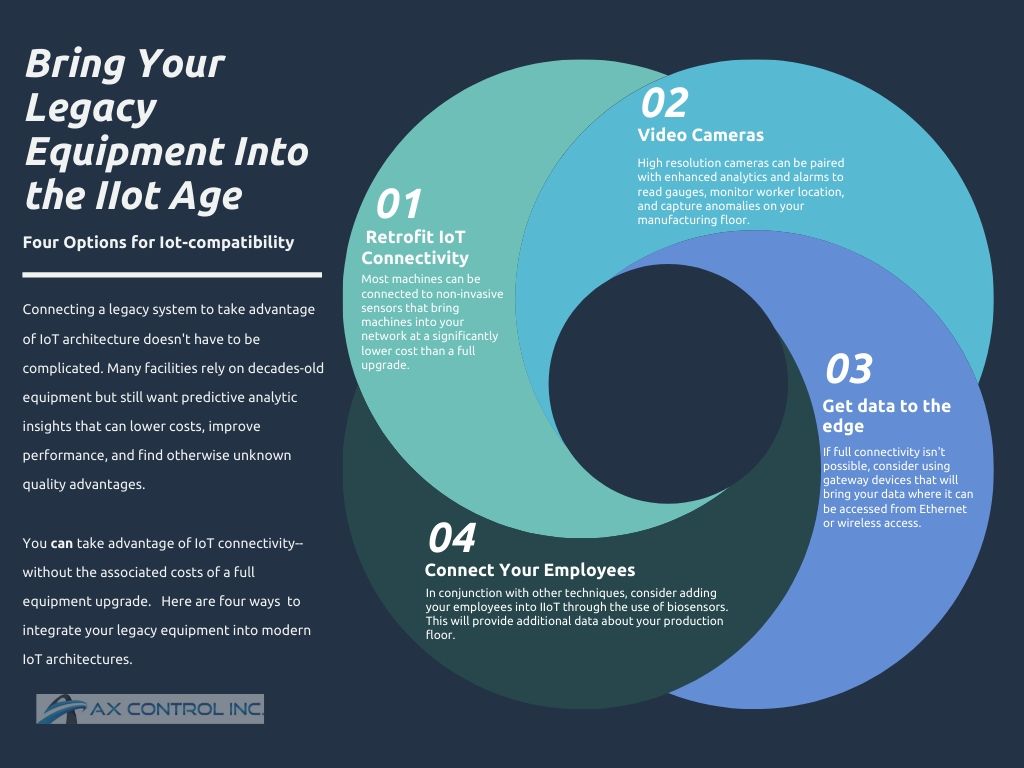
Infographic: Bring Legacy Equipment Into the IIoT (Industrial Internet of Things) Age
Download a higher quality PDF of this graphic with the link below.
Continue reading “Bring Legacy Equipment to the Industrial Internet of Things Age”

Machine Vision is Improving Manufacturing Robotics

Machine vision can create a faster, more flexible throughput on your factory floor.

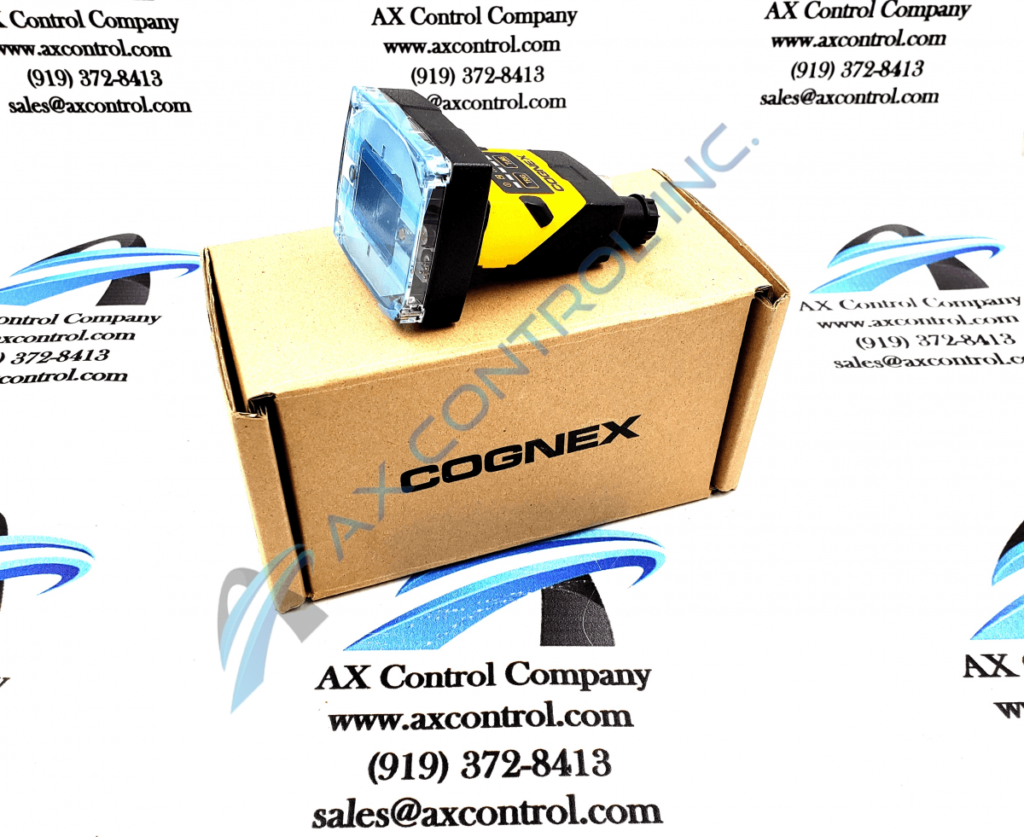
Why consider Insight 2000 Cognex or the Insight 8000 Cognex camera?

As sophisticated technologies are introduced into the manufacturing landscape, those who want to include robotics as part of their production line are looking for ways to increase the machine’s functionality, flexibility, and efficiency.  This often means manufacturers are adding machine vision capability to their robotics to meet these goals.  Cognex cameras are ideally designed for use as vision sensors.

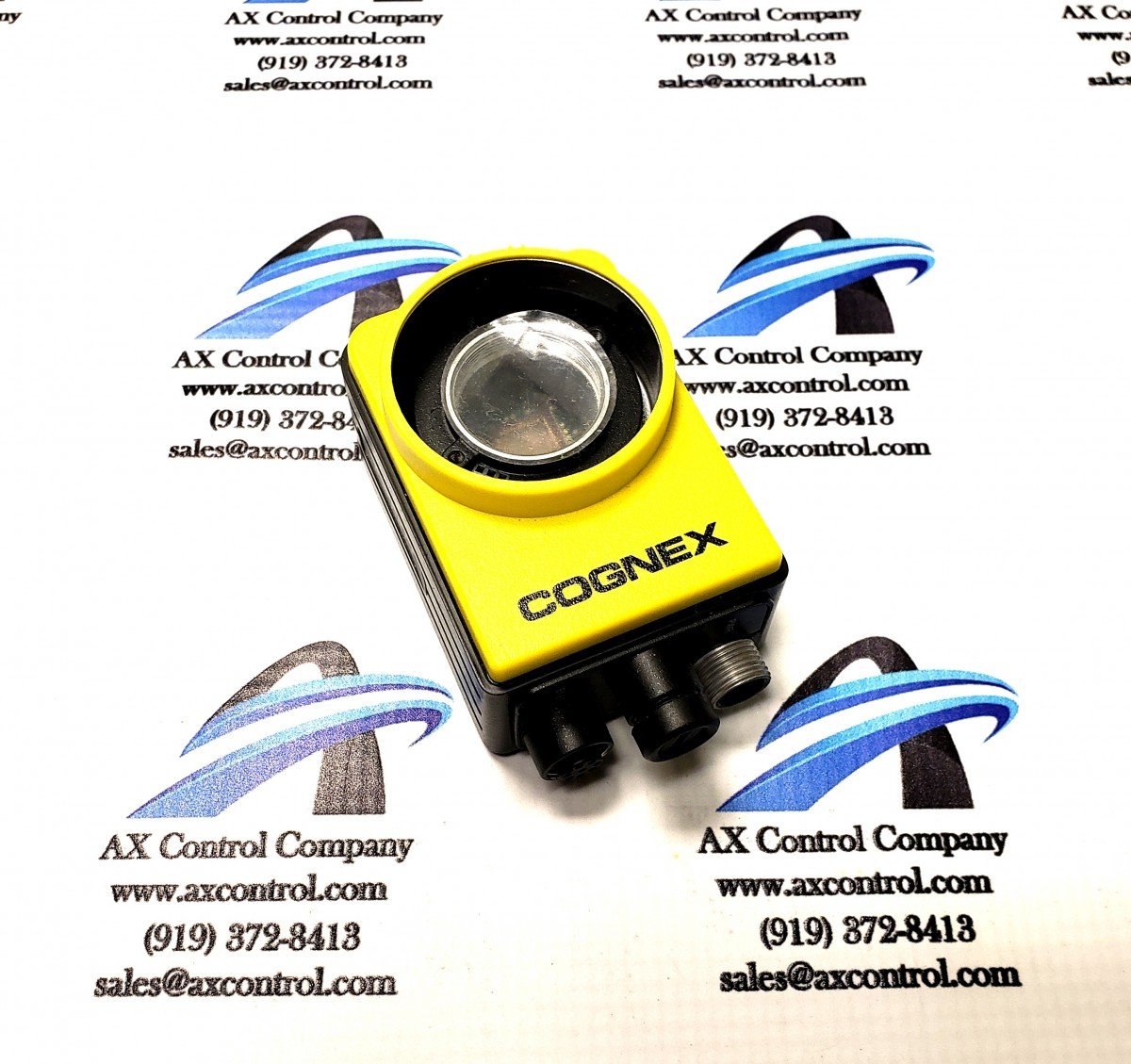
Insight Cognex 2000 is ideal for use as a vision sensor.
The InSight Cognex 2000 camera

How machine vision works

For most of their existence, robotics have used sensors, PLCs, and coding to create their movements.  But despite what we may have inferred from pop culture references in movies like Terminator or from cartoons, older robots have difficulty picking up and moving small parts, especially parts lacking similarities on all sides, like a screw with a tapering shank connected to a rounded head….or Princess Twilight Sparkle parts.

Continue reading “Machine Vision is Improving Manufacturing Robotics”

Augmented Reality in Manufacturing: How it Will Change the Industry

You’ve already been interacting with AR on a regular basis…..

Augmented Reality in manufacturing and in other sectors is becoming more common.

For example, when you sit down to watch the NFL playoffs, pay attention to those first-down markers, scrimmage lines, and text or images hovering just above the field.  You know the ones I’m talking about–those little extra helpers that make it that much easier to follow the game and to know whether Tyreek Hill managed to get the first down (I mean–c’mon: he’s got Mahomes passing to him.  You know he did.)  

Maybe without even realizing it, you’ve been interacting with Augmented Reality (AR) technology each and every time you’ve lined up your remotes (or whatever good luck tradition rules in your house) and rooted for your favorite team.  NFL broadcasts show just how easy it is to implement and interact with AR. It might also explain why you should be using this technology in your manufacturing plant if you’re not already. 

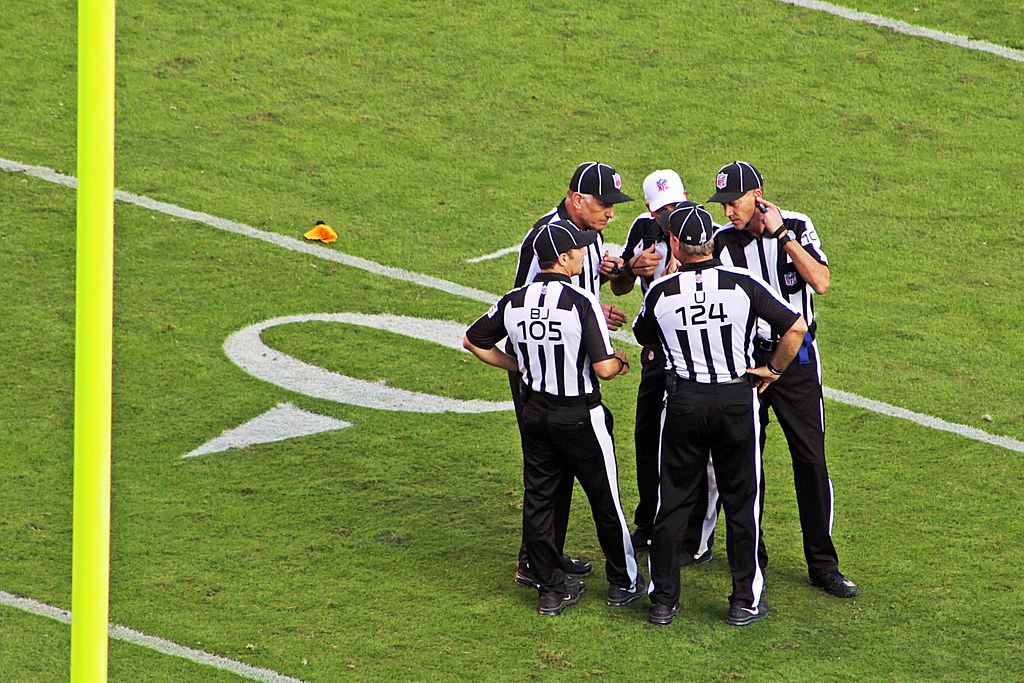
Officials on an NFL field.  Augmented Reality is used to help viewers watching the NFL.
“Penalty Flag – Kansas City Chiefs v Jacksonville Jaguars – Officials – 2016” by Dis da fi we is licensed with CC BY-NC-SA 2.0. To view a copy of this license, visit https://creativecommons.org/licenses/by-nc-sa/2.0/
Continue reading “Augmented Reality in Manufacturing: How it Will Change the Industry”