
GE Vernova was formed in early 2024 as General Electric put its various energy companies into a separate publicly traded company. With a stated mission to, “ electrify to thrive and decarbonize”, the company aims to expand their electrical network across the world, while decreasing carbon emissions. GE Vernova’s website states an intended date of 2030 to get their facilities to be completely neutral.
On the surface of energy production, not much has changed, GE Vernova continues to produce electricity and other forms of energy reaching back over a century. What has changed with the new GE Vernova spinoff is the mission statement of reaching carbon neutrality on such a scale and to have all the different sectors that are under Vernova working in tandem to achieve this goal.
Overall, the play seems to be working, as according to a Yahoo Finance article by Radek Strnad, “GE Vernova’s annualized revenue growth of 13.1% over the last two years is above its five-year trend, suggesting its demand recently accelerated.” The migration of an energy initiative that is embedded in a company is an intriguing idea as the revenue is much closer to the mission than a grassroots movement. The ability to funnel finances to sectors that need it under one umbrella of leadership could make their 2030 carbon neutral mission a reality.
The importance of switching off of fossil fuels is an even mission today with the war in Iran as well as the Ukraine-Russia war. GE Vernova has come at a very important time. The spike in gas prices and the selling of oil on a global market holds everyone hostage and with the unrest in the middle east and Russia, Europe and the US are hurting. With the price of diesel topping off at near $6.50, it is the perfect time for GE Vernova to experiment with this idea.
Of course carbon neutrality doesn’t mean that no oil or fossil fuels will be used. However, if we can reach neutrality, we can cut down on the effects on the environment and hopefully get to a point where the need for carbon-based fuels disappears almost entirely.

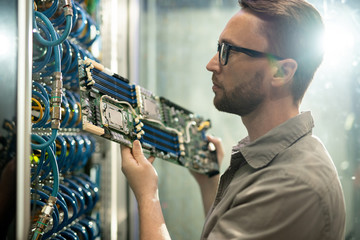
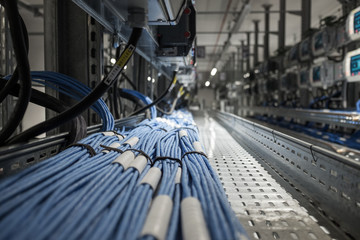
For GE this could be more than a dream if they stay the course and especially with the explosion of generative A.I. The problems A.I. is helping us solve could very well lead to a viable alternative to fossil fuels. However, to get there, GE Vernova could help A.I. data centers immensely. With all the power needed to power the much needed infrastructure, GE Vernova’s products and centers will be crucial to strengthening said infrastructure.
It will be interesting to see where GE Vernova progresses by 2030 and what it might inspire in the energy sector. We will just have to wait and see.
You must be logged in to post a comment.